

This post was created by our partner Listrak, the cross-channel personalization platform.
RCS Messaging is now available in Listrak, giving retailers a new way to deliver verified, branded, and interactive experiences alongside email, SMS, push, and onsite experiences – all powered by unified customer data. As brands prepare to launch RCS, here’s a practical checklist to help you get started.
And the timing couldn’t be better. With RCS now supported across both Android and iPhone devices, retailers can finally deliver rich, interactive messaging experiences at scale. Early performance is already demonstrating the impact – in Listrak’s first U.S. RCS campaign with a leading luxury retailer, messages generated more than 2x the revenue per send compared to SMS/MMS.
RCS Changes the Messaging Experience
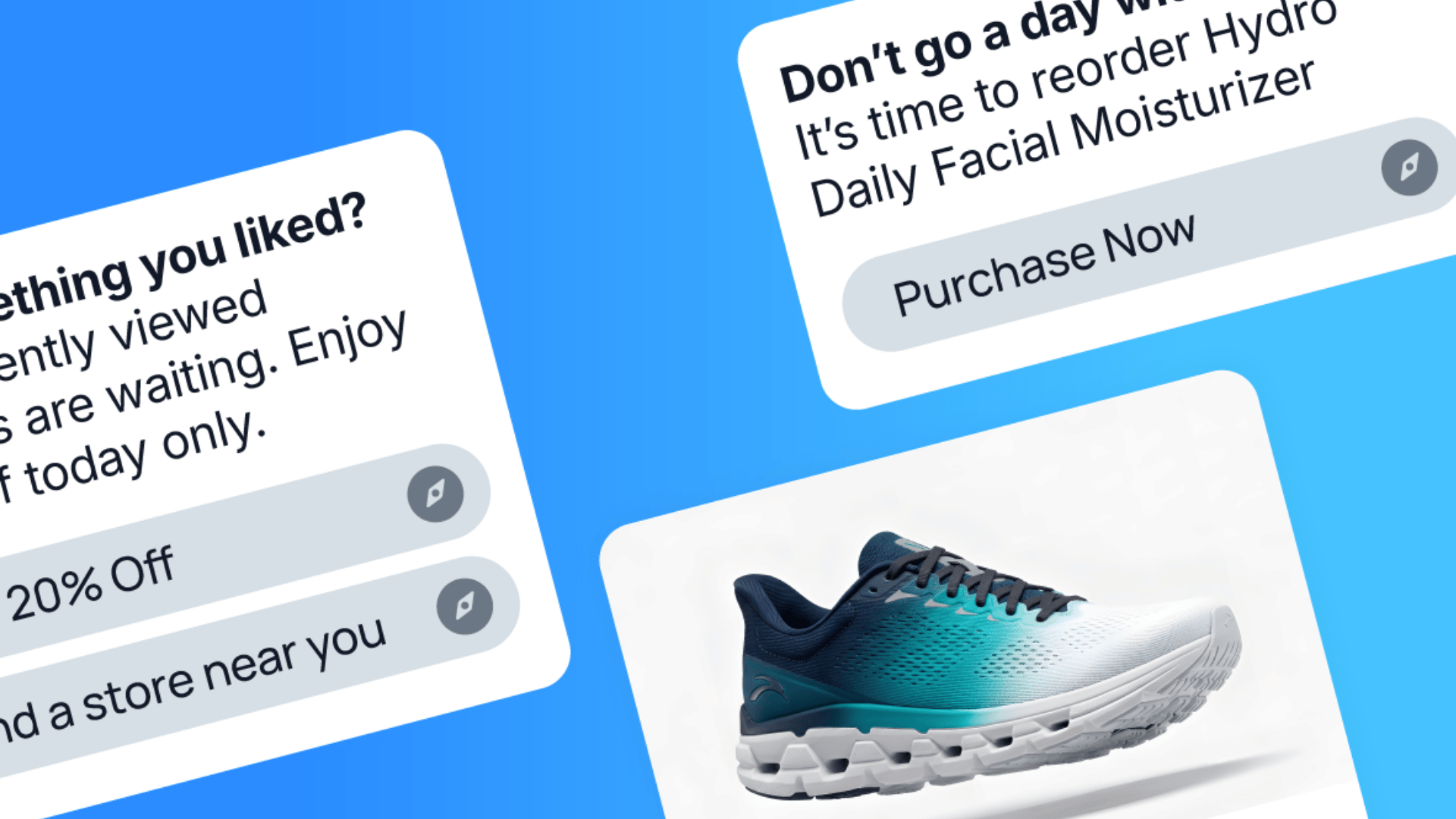
Instead of sending text-only (SMS) or text-plus-media (MMS) messages that push users elsewhere, RCS enables more guided, interactive experiences, bringing richer, branded interactions directly into the native messaging app.
With RCS, brands can:
- Reinforce trust through verified sender profiles, giving customers confidence in who they’re engaging with
- Showcase personalized products through rich, visual experiences, leveraging high-quality imagery and branded elements to drive attention and engagement
- Use interactive buttons and clear calls-to-action to guide users toward the next step, whether browsing, purchasing, or learning more
- Create conversational, two-way experiences with suggested replies that feel more like a conversation than a promotion
As brands begin incorporating RCS into their messaging strategy, there are a few important considerations:
- Not every mobile device supports RCS today, so SMS fallback remains essential for maximizing reach.
- Creative development requires more investment than standard text messaging
- Compliance and best practices still apply
Where RCS Outperforms Traditional Messaging
RCS adds a new dimension to mobile messaging. While SMS and MMS remain essential for broad reach and time-sensitive communications, RCS gives brands the ability to create richer, more personalized experiences that build trust and drive stronger engagement.
One of RCS’s biggest advantages is the verified Sender Agent. With verified branding directly in the inbox, including brand name, logo, and contact card, customers can instantly recognize and trust the sender. This added layer of verification builds confidence and drives action, with Listrak brands seeing up to a 58% increase in click-through rates.
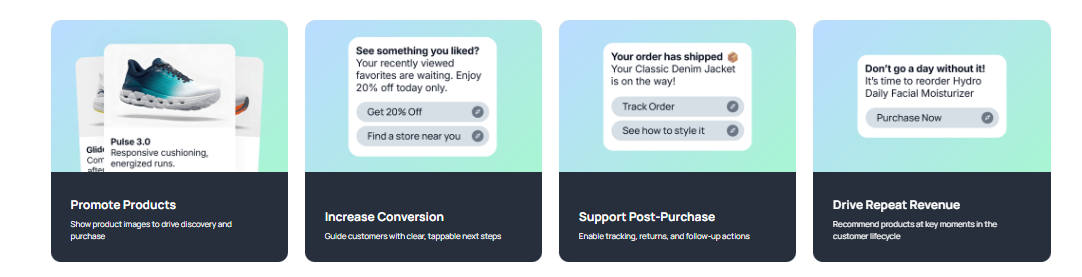
Once your RCS foundation is in place, you can use RCS to drive conversion across the customer lifecycle – from product discovery and conversion to post-purchase engagement and repeat revenue.
Bringing RCS Into Your Strategy
Successful RCS implementation starts with the right foundation. Aligning your marketing, ecommerce, and technology teams ensures the customer data, messaging strategy, and technical requirements are in place before launch.
For brands looking to explore RCS, a phased approach works best:
- Establish your Sender Agent to ensure your brand is verified and recognizable within the messaging experience
- Identify customers who are eligible to receive RCS messages.
- Start with a pilot campaign tied to a key moment, such as a promotion, product launch, or lifecycle trigger
- Pair RCS with SMS fallback to maximize reach
- Integrate RCS into your broader messaging strategy, not as a replacement, but as an enhancement
Why Getting Started Now Matters
Brands that begin preparing for RCS today will be better positioned to establish best practices, optimize performance, and capitalize as adoption accelerates. At Listrak, we help retailers launch and scale RCS through Sender Agent setup, campaign strategy, audience identification, creative guidance, and cross-channel messaging support. Ready to bring RCS into your cross-channel strategy? Learn more about Listrak’s RCS Messaging.
Last Updated on July 1, 2026 by Team Virid